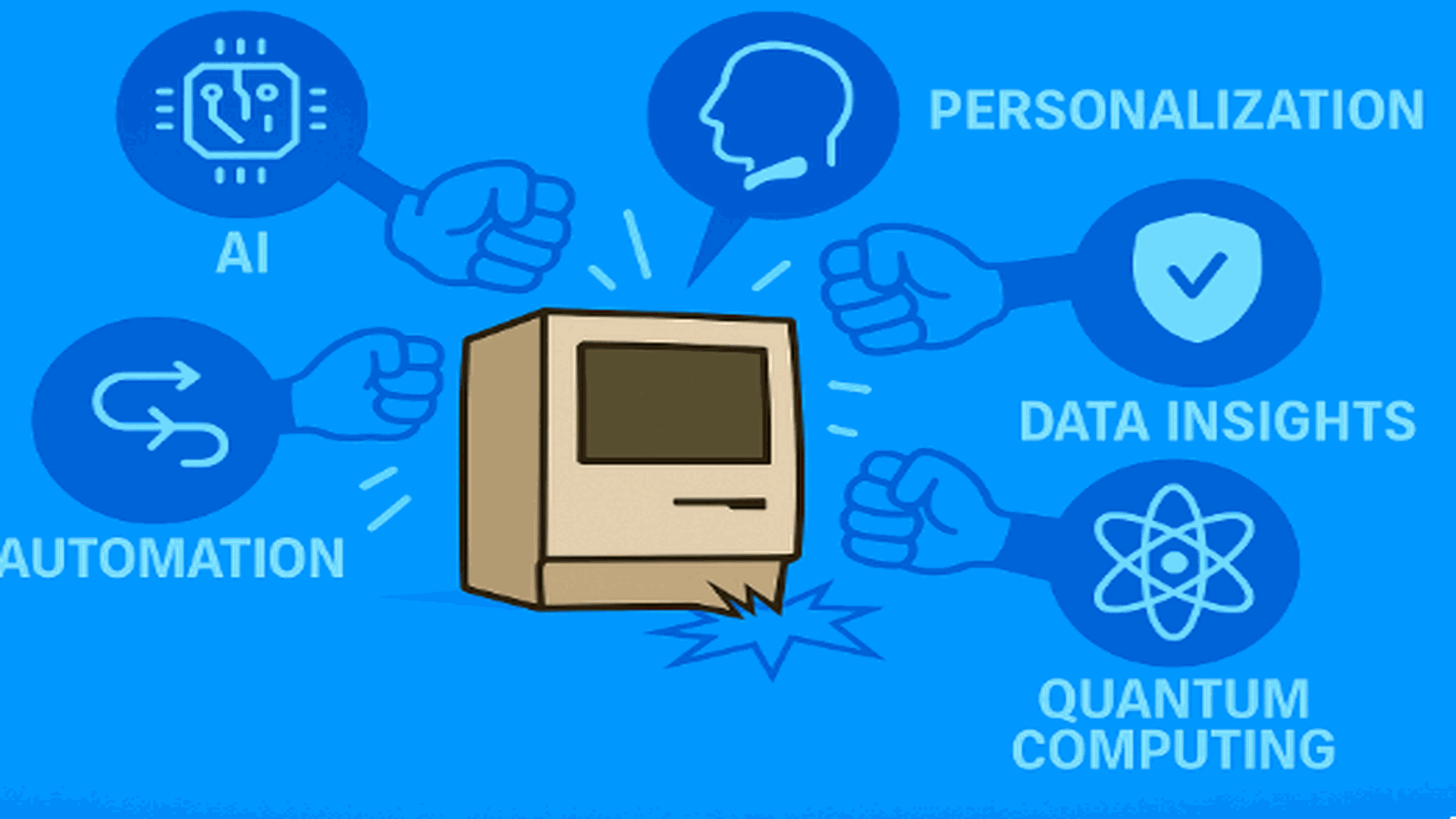
McKinsey's July 2026 report makes an important point about the economics of AI in insurance: competitive advantage will not come simply from having access to AI models and tools. It will depend on whether an insurer's operating system, technology infrastructure, data architecture, and operating model (and of course the broader organization) are designed to put those capabilities to work effectively.
The same logic is useful when evaluating the economics of a modern insurance platform. Automation minimizes repetitive work, digital workflows accelerate policy processing, and cloud-based architectures can lower infrastructure and maintenance expenses. But these benefits are increasingly expected. They don't, by themselves, explain why one platform delivers a materially different economic outcome from another.
So if almost every insurance platform vendor promises lower operating costs, what should insurers look at instead?
Look at how the platform itself works — and what that design eliminates, simplifies, and makes less expensive over time.
Where SimpleINSPIRE Breaks With the Traditional P&C Platform
The most significant differentiators today are found in a platform's underlying architecture and how effectively it supports the end-to-end flow of insurance work. Insurers are moving away from fragmented, process-centric operating models toward unified, event-driven environments that allow information and decisions to flow seamlessly across the enterprise.
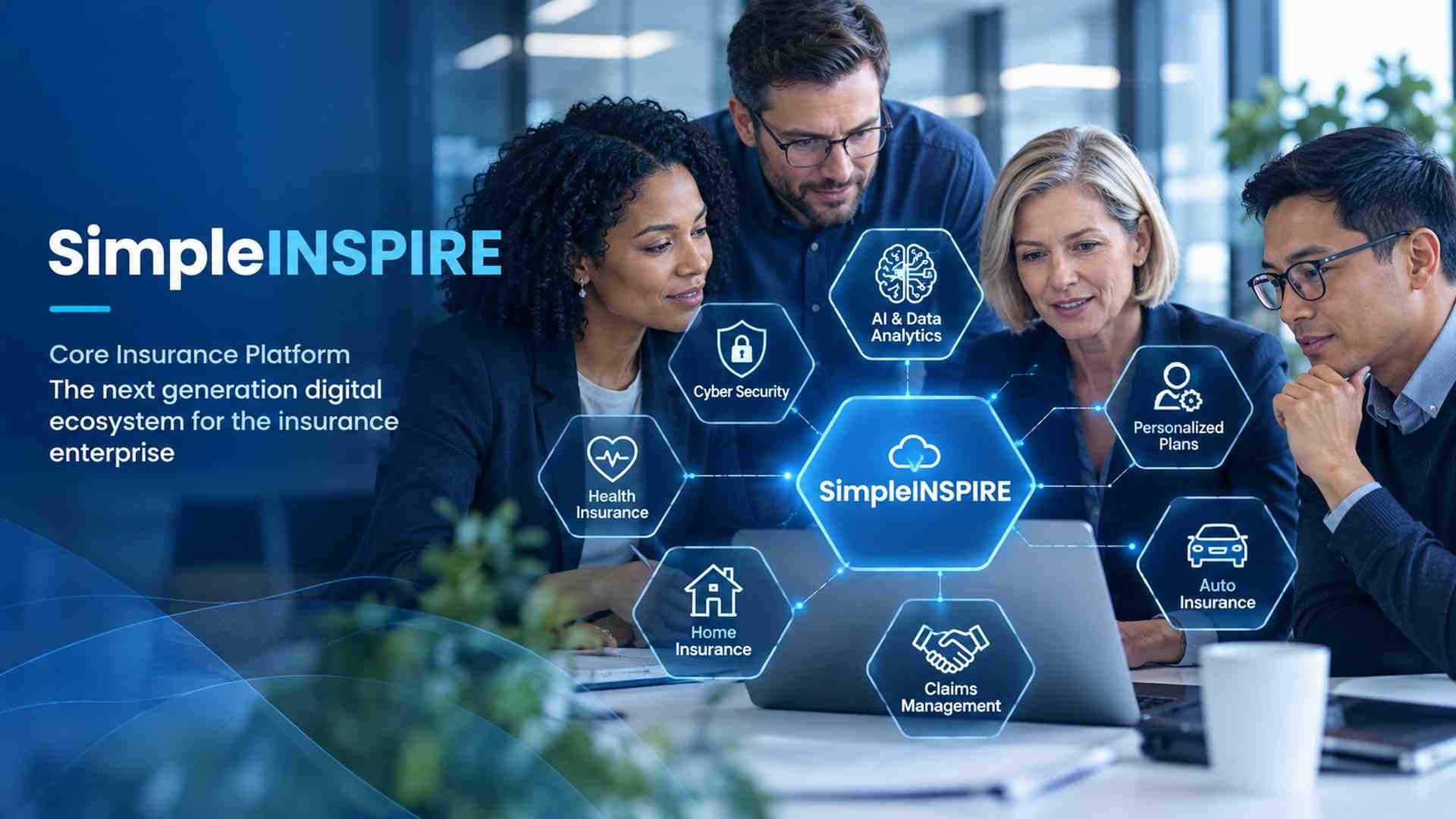
What sets SimpleINSPIRE apart isn't a feature list; it's a fundamental rethinking of how a core insurance platform should work, built on 25+ years of production experience and designed from the ground up to absorb innovation without breaking.
Here's where SimpleINSPIRE genuinely diverges from most
1. The Fixed-Bid Commitments Do Not End at Go-Live
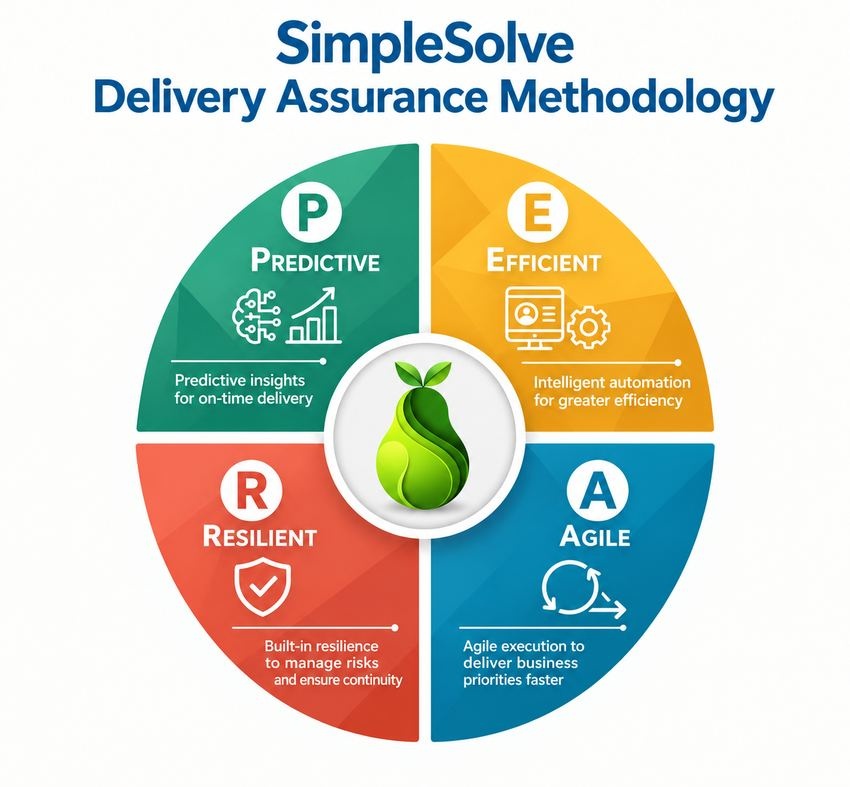
Fixed-bid, fixed-timeline implementation models are unusual in core insurance software. SimpleSolve takes the model further through its PEAR delivery methodology, using a defined discovery process and fixed-price contracts to establish the scope and financial commitment upfront.
The more interesting difference comes after go-live. The cost of evolving a core platform can become a significant source of uncertainty once implementation is complete. New products, regulatory changes, workflow changes, integrations, and other business requirements can turn seemingly small enhancements into new development projects with unpredictable costs and timelines.
SimpleSolve extends its defined commercial model to post-production enhancements, with agreed enhancements delivered under fixed commercial terms. That gives carriers greater visibility not only into what it costs to implement the platform, but also into what it will cost to change and extend it as the business evolves.
Core platform implementations are notoriously risky, and costs can escalate when customization and changing requirements push projects beyond their original estimates. A defined commercial model for enhancements can shift more of that uncertainty away from the carrier, while SimpleINSPIRE's configurable architecture helps reduce the need for extensive custom development in the first place.
For regional and community carriers, that predictability can be particularly valuable. The benefit isn't simply knowing what a core platform costs to implement. It's having greater visibility into the cost and timeline of evolving that platform after it is already in production. That is where the economics of a core system can continue to play out long after the initial implementation is complete.
2. Event-Driven, Microservices Architecture with Proven Elastic Scale
SimpleINSPIRE isn't just "cloud-native." It's microservices-based, API-first, and event-driven, so actions in one part of the insurance lifecycle can trigger workflows and updates across the platform in real time rather than waiting for batch processing. It's also architected for elastic scale, with the ability to reliably process high transaction volumes while supporting large numbers of concurrent users, delivering consistent performance, scalability, and operational stability.
This matters because legacy platforms hit walls during volume spikes (open enrollment, catastrophe events). SimpleINSPIRE's architecture handles volume increases without pre-provisioned capacity, using serverless autoscaling. For carriers, that means infrastructure can scale with demand rather than requiring capacity to be provisioned for peak volumes.
3. Built for Multi-Line, Multi-Issue Policies from Day One (Not Bolted On Later)
Modern P&C platforms need to handle multiple lines of business without creating more silos. McKinsey identifies support for multiline and multi-jurisdiction operations as a key capability of a best-in-class P&C core. McKinsey research on P&C core modernization
SimpleINSPIRE was architected differently. It was built to support multiple LOBs independently or integrated into a single policy, with each LOB having its own set of coverages and multi-level risks, including complex multi-location business.
This matters when a policy isn't simple. Think of a manufacturing company with multiple locations, each with buildings, equipment and liability exposures. SimpleINSPIRE can manage that complexity within an integrated policy structure rather than forcing the carrier to manage separate systems or disconnected processes for each line, peril, location or risk.
For carriers writing diverse P&C products, the result is one platform, an integrated data structure and real-time visibility across the policy lifecycle. That's increasingly important as insurers modernize legacy cores and look for platforms that can support multiline business without adding more complexity.
Also Read: When Insurance Business Models Change After Core Platform Modernization
4. From PDF Application to Quote Without the Manual Handoff
Manual entry of PDF insurance applications can add days to the quoting process before an underwriter even gets to the actual risk. SimpleINSPIRE can scan a PDF insurance application and turn it into an electronic submission in seconds. The underwriter can then focus on underwriting and quoting in real time, within the same system.
The difference is more than speed. There is no manual transition of data between the application and the quote. The submission moves directly into the underwriting workflow, allowing underwriters to focus on evaluating and pricing the risk rather than rekeying information. In addition, the quote can continue in the workflow through to policy issuance and billing.
5. Producers and Underwriters Work in the Same System
Commercial insurance still involves too much back-and-forth between producers and underwriters. SimpleINSPIRE removes that separation. Producers and underwriters use the exact same system, with producer access controlled through user profiles.
This is subtle but profound. Most platforms give producers a portal and underwriters a different system—two views of the truth, with data syncing overnight or via batch jobs. SimpleINSPIRE erases that divide with producers and underwriters working in the same application, with access controlled by user profiles. What an underwriter rates or binds is instantly visible to the producer; context-based communication between producers and the underwriters happens inside the transaction, not in email chains.
Why this is unique is because it eliminates version mismatches, accelerates quote-to-bind cycles, and creates a true "ease of doing business" experience that modern-day producers demand. In practice, there are fewer phone tag games, no more "let me check with underwriting" delays, and faster ready-to-sell timelines for commercial and personal lines alike.
That means a quote or transaction created by an underwriter can be seen and acted upon instantly by the producer.
They can collaborate online and in real time, with context-based communication built into the system. It's a very different definition of "ease of doing business" because the producer isn't working around the carrier's system; they're working directly in it.
6. COIs Without the Back-and-Forth
A certificate of insurance shouldn't require a chain of emails and phone calls. Yet COIs remain a common service pain point for commercial customers and agents.
SimpleINSPIRE can generate and email a COI instantaneously, either automatically based on a rule or on demand. Producers can generate them, as can underwriters and customer service. What normally becomes another service request becomes an immediate transaction within the platform.
7. From Application Ingestion Through Rating in One System
Getting an application into the system is only the beginning. In many insurance environments, information still moves between separate processes and systems before a quote can be completed.
SimpleINSPIRE keeps the flow together. Application ingestion, quote design and premium rating are all embedded within the same system, online and in real time. There is no manual transfer or offline process between these stages of the policy lifecycle.
That gives underwriters something far more valuable than another automation tool: a continuous workflow from submission to quote.
Born from 25+ Years of Production Experience (Not a VC-Funded Startup)
SimpleSolve isn't a 3-year-old insurtech with a slick demo. It's an insurance software company with over 25 years of experience in the U.S. market. The company has rebuilt its platform from scratch, incorporating two decades of production lessons. SimpleINSPIRE was released in Q3 2019 and is already in production with clients—proven at scale, not just in demos.
This matters because core platforms live or die by their production track record. SimpleSolve's longevity and client base signal stability, domain expertise, and a platform that's been stress-tested in real-world conditions.
Topics: Legacy System Modernization


.jpg)